

Ever feel like you might be barking up the wrong tree? Fishing in the wrong pond? Looking for love in all the wrong places?
Marketing to the wrong audience is a bit like that.
Even when you do everything right, it always comes out all wrong. You never quite get the results you’re looking for. To see a real audience engagement impact, you have to align every tactic, from paid media placements to organic social listening, with the needs of the people who matter most.
Because the first rule of marketing is “know your audience.” It was the law of marketing back when the wheel was the hot new thing, and it will be the law of marketing on the spaceship to Mars. In other words, marketing strategies evolve, but the foundation — understanding audience wants, motivations and behaviors — never changes.

What Is an Audience Profile?
An audience profile is a fictitious character you model after a member of your target audience. This single document might include age, gender, location, job title and any number of psychographic traits that paint a vivid picture of the human you’re trying to reach.
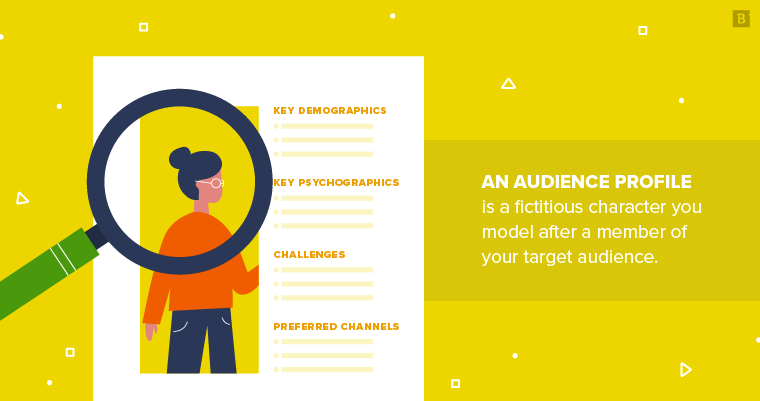
Anyone can list attributes of their audience in a Google Doc or write them out in a creative brief. But if you’re really trying to understand whom you’re marketing to, you need to create a well-rounded representation of a real person. An audience profile provides the nuanced audience insights that tell you why someone clicks, converts or bounces away.
You might also hear audience profiles referred to as an “audience persona” or “target audience profile.” Both are correct.
“Target market,” on the other hand, would be wrong. A target market is broader than your target audience profile. It contains many audience personas.
“Buyer persona” would also be wrong. A buyer persona is a fictional representation of a buyer, like so:
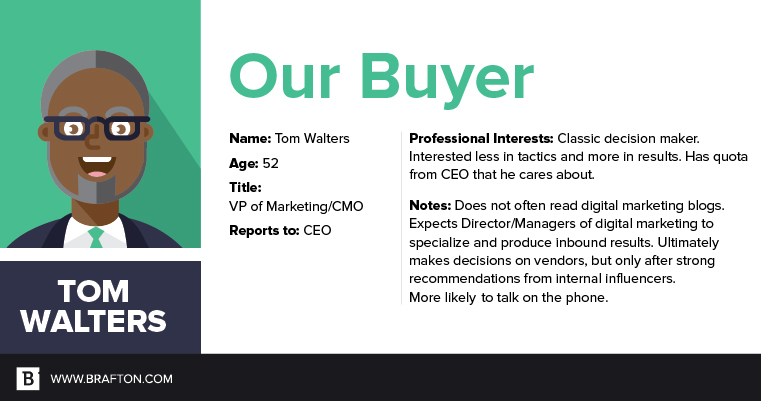
It’s an important distinction because your audience is bigger than just buyers. You have many readers who can influence buyers. Sometimes the path to lead generation starts with them. An audience profile helps you recognize and nurture those crucial influencers before they ever speak to sales or customer service.
This is particularly true in B2B markets. It can be difficult to get the ear of a busy decision-maker. In some cases, getting the attention of an influencer who already has a decision-maker’s ear may be your only path to purchase.
Consumers are a little easier to target directly, but you still need audience profiles in B2C markets. Even if the person you’re selling to is the same person you’re marketing to, the art of sales and marketing are very different. A bank, for instance, would approach a potential mortgage customer differently before the point of sale than during or after it.
Subscribe to
The Content Marketer
Get weekly insights, advice and opinions about all things digital marketing.
Thanks for subscribing! Keep an eye out for a Welcome email from us shortly. If you don’t see it come through, check your spam folder and mark the email as “not spam.”
The Steps to Creating an Audience Profile
Audience profiling is crucial for crafting a successful marketing campaign. If you know whom you’re talking to and what they care about, you can build messaging around their interests and pain points. Done right, profiling audience segments can:
- Improve customer service interactions.
- Boost marketing and advertising performance.
- Elevate overall brand perception.
But how, exactly, do you get to know your audience? Let’s look at the key steps involved in developing audience profiles:
1. Collect Data About Your Target Audience
Start with quantitative data. The two most valuable sources of insight into your target audience are:
- Google Analytics: Audience analysis is easy with Google Analytics. You can obtain demographic information about website visitors, including their approximate location, age, gender, interests and type of device. You can also dig deeper to understand which demographics engage with which segments of your site, at what rate they convert and on which pages. You can even figure out which channels specific audience segments arrived through — social media, search, paid advertising, email, etc. Platforms such as Audience Analysis Sprinklr can supplement GA data with social listening metrics to show where your audience spends time across networks.
- Your CRM: A CRM tool is much more than just a way to manage your customer base; it’s also a living record of the interactions that led up to a sale. The data in your CRM sharpens your sense of what industries convert at the highest rate, how leads first approach your company and other clues about how to attract the ideal customer. You can also use tools that integrate your CRM with email marketing to manage your sales and marketing efforts from a single platform, as your CRM data can be useful for marketing. This information can help shape your audience profiles and inform broader marketing strategies.
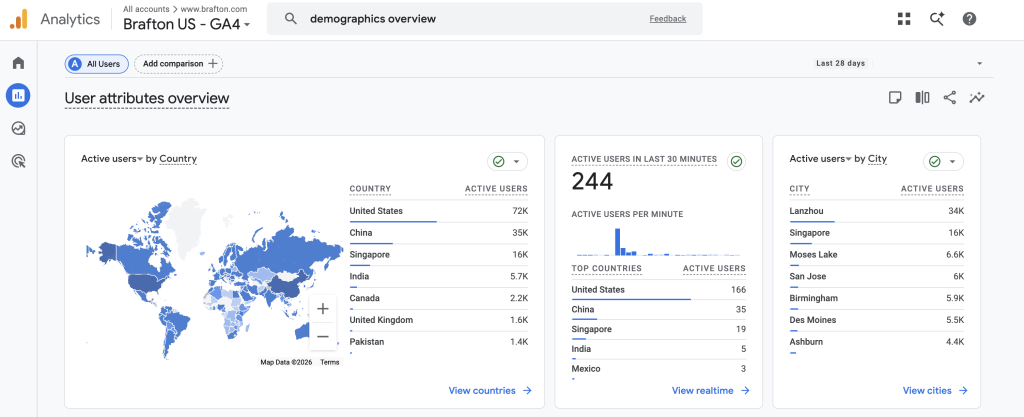
Google Analytics makes it easy to drill down into user data and create a demographic profile of your target audience.
Then there’s the qualitative research. This is a combination of your instincts and insights from your sales, customer service and marketing teams.
2. Identify Your Audience’s Needs and Pain Points
Once you know your target demographics, you’re ready to start drilling down into their needs and pain points. This step is essential if you want to define target audience expectations and tailor marketing strategies that actually resonate.
Again, your CRM can be incredibly helpful in identifying the reasons your existing customers approached your brand.
- What problems were they trying to solve?
- What pain points did they encounter with other solutions they tried?
- What did they find most useful about your product or service?
Another valuable source of data is keyword research. You can use a tool like Ahrefs, Moz or Semrush to figure out which search queries your market rivals are ranking for. This is a very data-driven way to discover topics, issues, needs and pain points that your potential audience cares about that weren’t even on your radar yet. Combined with paid media insights, this research enables precise audience targeting and helps you create segments that convert.
3. Round Out Likes and Dislikes
Any data about a person’s interests, values, likes, dislikes, attitudes and personality traits falls under the umbrella (bumbershoot if you’re British) of psychographics. These psychographic clues improve marketing relevance and ensure every piece of content feels tailor-made for the reader.
It’s really important to know how to package the messaging you send out into the world — what type of language you use, what values you espouse, what sort of imagery you use and so on.
All of these are important elements of branding, but they’re also key aspects of your audience profile. Audience profiling helps creative teams choose visuals, tone and offers that align with core customer motivations.
One of the great things about developing audience profiles is that you can start to get a sense of where your company’s branding may be getting stale or out of touch with your audience.
A word to the wise: Do not deprioritize psychographics. They can have a direct impact on how relevant your content feels to your audience. They can also have a direct impact on the bottom line. For example, according to PwC’s 2024 Voice of the Consumer Survey, consumers are willing to pay an average of 9.7% more for sustainably produced goods — and 80% say they’d pay a premium for sustainable products overall.
Psychographic data is a little harder to put your finger on and will likely require some qualitative research. Start by figuring out who the influencers are in your target industries. What do they care about? Also, look at what blogs or magazines the audiences in your most prevalent demographics and industries flock to. Evaluate the general culture, preferences and attitude of your existing customers.
You can use hard numbers collected through customer surveys, web analytics, Google Trends and keyword research to supplement and support your efforts. These extra data points improve audience insights and ultimately lead to improving audience engagement across every channel.
4. Put It All Together
Once you’ve done your research, you can start putting together some audience profiles. Think of this as building audience profile blueprints that everyone — from copywriters to product managers — can reference.
Here’s an approximate template we’ve used in the past, followed by some examples:
Key Demographics
- Age range:
- Gender:
- Common job title(s):
Key Psychographics
- Likes …
- Dislikes …
- Strives for …
- Values …
Challenges
- [Try to list 3 to 5.]
Preferred Channels
- For content consumption:
- For first contact:
- For browsing:
Preferred Content Types
- [List as many as are applicable.]
These documents help you create detailed personas that you can point to whenever you launch new marketing campaigns. Over time, you’ll see how each audience profile influences outcomes like click-through rates, lead quality and lifetime value.
Audience Profiles Examples
B2B Audience Profiles
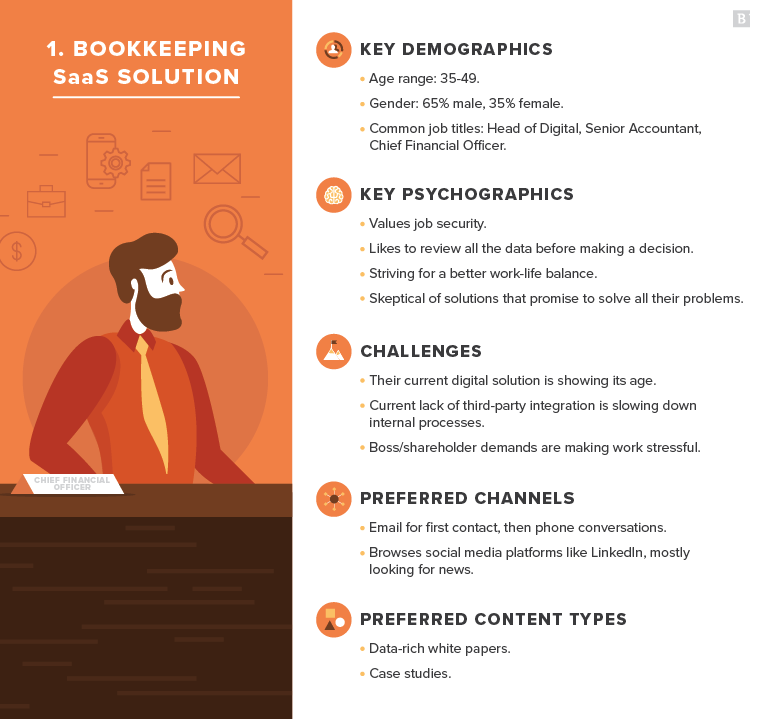
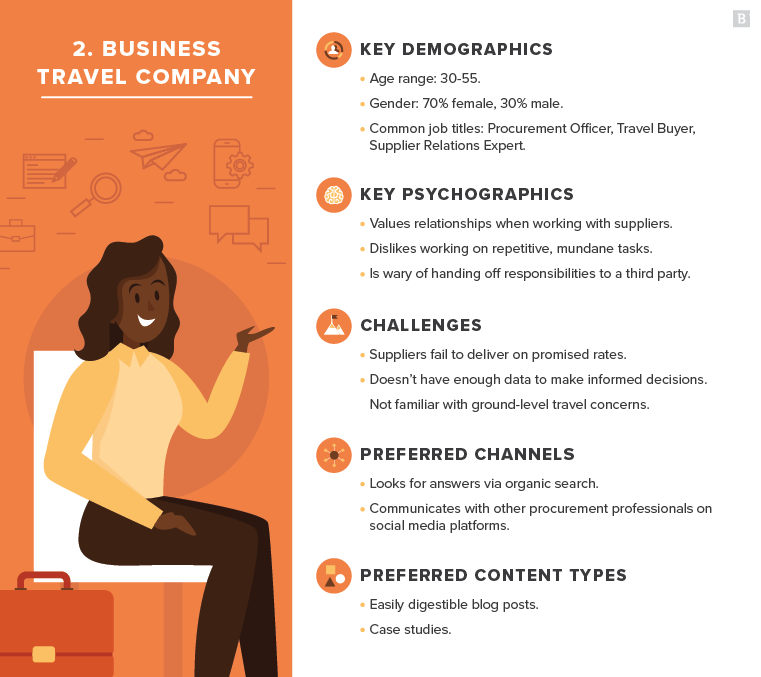
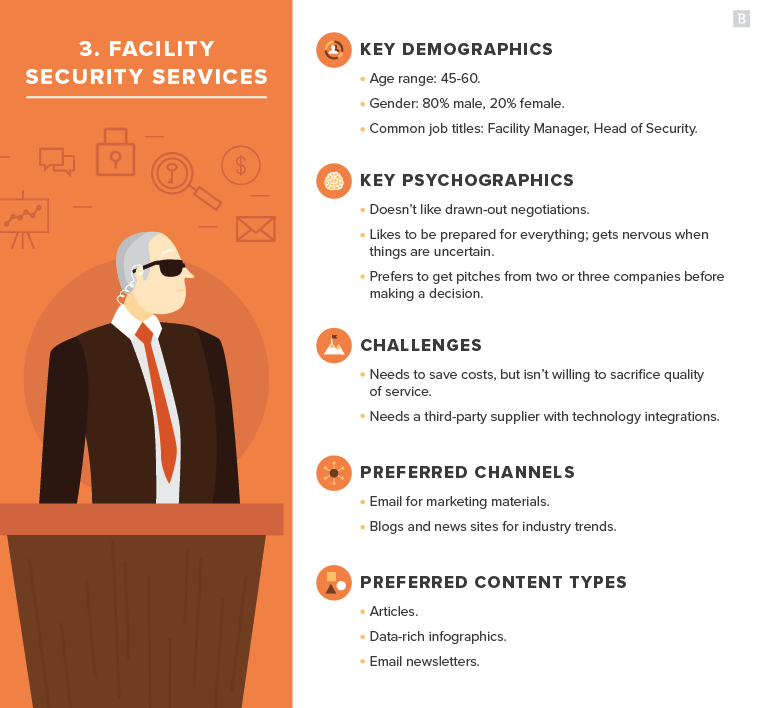
B2C Examples of Audience Profiles
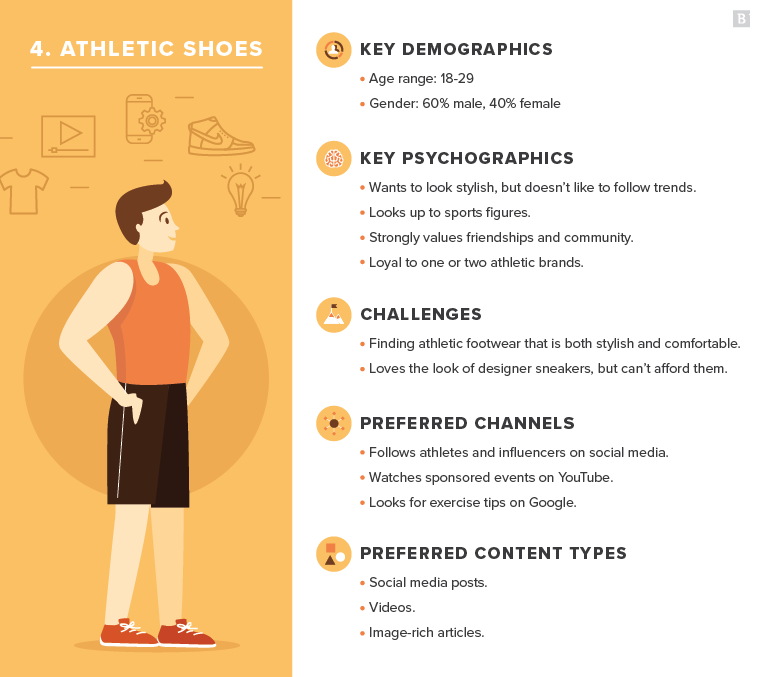
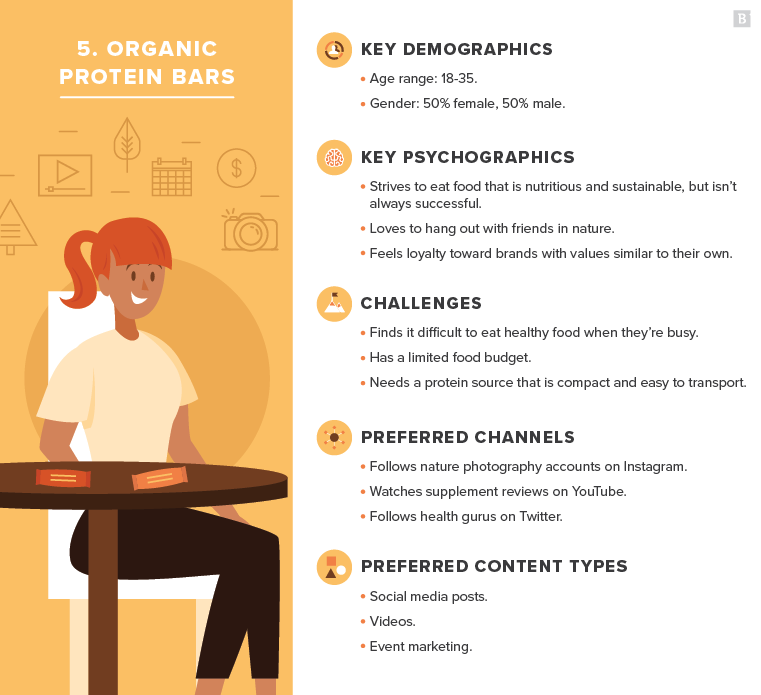
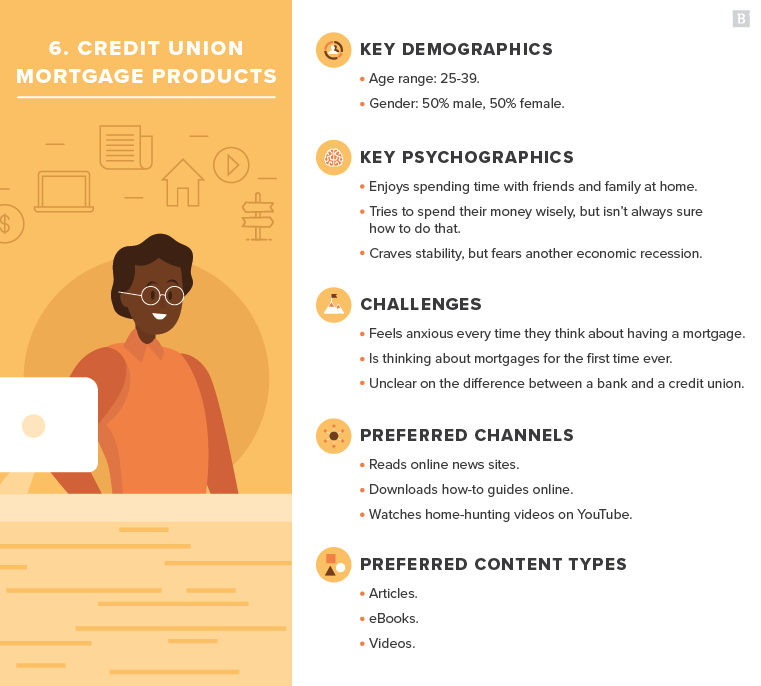
For more help, check out our Persona Development Services. Our strategists specialize in helping brands create detailed personas that fuel smarter marketing strategies and stronger customer service experiences.
5. Make Changes As Needed
At long last, we arrive at the final step in creating audience profiles. Remember: Your audience changes, and so must your profiles. Regular refreshes guarantee that your marketing strategies and customer service workflows remain relevant.
Depending on how frequently your market changes, you may have to update your audience personas often or very rarely.
Rapidly evolving, heavily disrupted industries may see frequent shifts in customer expectations based on what technologies or service models become available.
Even in industries that don’t change too frequently, it’s important to be mindful of how the audience changes. Mindsets shift as time passes and as the world changes. Clinging to old representations of customers will at best leave you looking a bit out of touch, and at worst, create some serious marketing mea culpas.
At a minimum, we would recommend reevaluating your audience personas once a year — along with your buyer personas — to make sure they’re still relevant. Continual audits ensure you’re spending marketing and advertising dollars wisely and that your efforts to define target segments stay sharp.
Key Takeaway: Figure Out Whom You’re Talking to Before You Open Your Mouth
Content marketing — and most other forms of digital marketing — is all about giving something of value to your target audience. If you can do that continually, they’ll start to look to your brand as a trusted and reliable source of information.
But before you can achieve any of that, you need to know who “they” are. Audience profiling helps bridge this gap, enabling you to create audience-centric messaging that resonates across channels and drives measurable results.
Take an interest in who your audience is, and they’ll be much more likely to take an interest in what you have to say.
Otherwise, you’ll forever be barking up the wrong tree — always searching, never finding.
Editor’s Note: Updated June 2026.