

I’ll be honest: I don’t think all that much about content marketing when I’m off the clock. You’re more likely to find me repotting a plant, reading, playing with my dog, grocery shopping or conversing with a good friend. You know, human stuff.
Even during this daily routine, the experiences I have can spark new ideas and remind me of how readers crave authentic lifestyle blog post ideas that feel real. This is true for most people.
Regardless of how much a person loves their work, they love their family and friends, their travels and their hobbies much more. They might also love fashion trends, wellness routines or exploring minimalist living for personal style goals. They will invest time in anything that helps them live better day to day, meaning lifestyle blog topics with valuable insights often resonate on a deeper level.
What Is Lifestyle Content?
Lifestyle content is written, visual or audio information packages about everyday life. Travel, health, leisure, house and home, personal finances, fitness, green living, cosmetics, cooking, interior design, gardening, hobbies, handcrafts, work-life balance – all of these are branches of the tree that is your lifestyle.
This broad lifestyle niche can be a conduit for lifestyle creators to share a personal story, offer valuable content or deliver inspiration to curious readers. Unlike B2B content, lifestyle content is more concerned with the personal.
It could cover intimate topics like religion and sexuality, or it might highlight something as practical as a beauty tips blog post that shares a daily routine or style tips to help fashion-forward readers look their best. Interestingly, like B2B content, all lifestyle content needs to give something to the audience – namely, information, affirmation, entertainment or inspiration.
Even if your main goal is sponsored content or brand promotion, valuable insights that resonate with a clear lifestyle blogging audience are key.

5 Tips for Creating Great Lifestyle Content
Like all content creation, you should confirm that your target audience is actually interested in the topics you write about on your blog. This is especially important if you want to generate lifestyle blog ideas that keep people coming back and help you plan a proper content calendar.
Keyword research is a big part of that – what search terms is your audience using to find the content they’re looking for? By tapping into these trends, whether it’s about minimalism, personal style or fashion trends, you can better shape your blog content and social media strategy.
But lifestyle content marketing requires an extra level of creativity and thoughtfulness. How, for instance, might a footwear brand create a lifestyle blog that people actually care about? And what sort of content would they even create?
Perhaps they’ll cover daily routine activities, share personal experiences or reveal sponsored content opportunities that excite fashion-minded readers. Teva, a lifestyle brand that makes adventure-ready, sustainable and stylish sandals, built its blog around subjects that its audience really cares about. See for yourself:
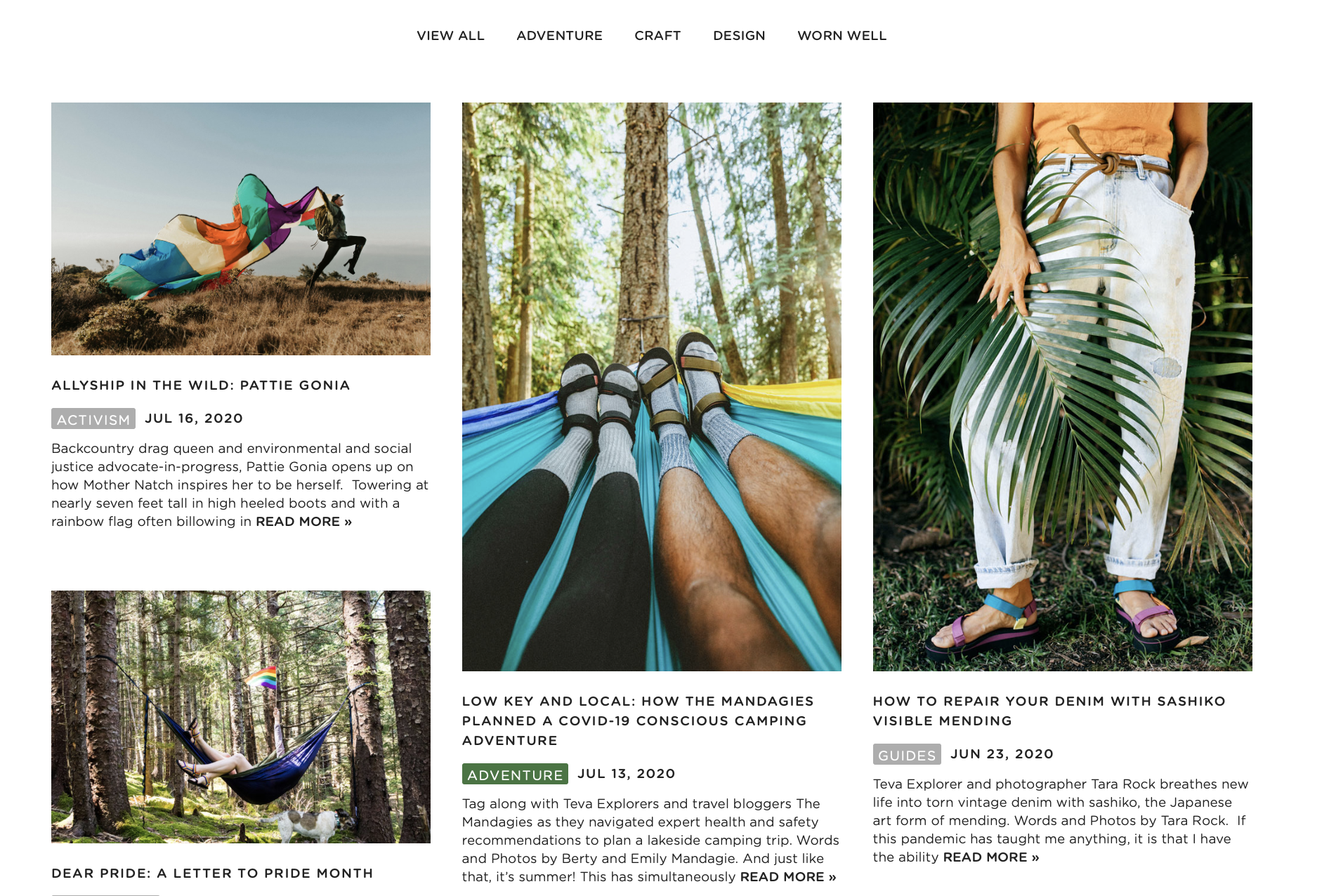
The key?
They found common threads between their brand and their target audience in the form of shared values – exploration (emotional and physical), craft, expression and positivity. You’ll also notice that their products appear in every single picture, even in an article titled “How to make homemade flour tortillas.”
Featuring your product regularly keeps your blog post ideas aligned with your audience’s lifestyle niche and interests. Your theme and how well it relates back to your brand, and the topics you choose to cover about that theme, are both very important.
Popular lifestyle blog topics might take many shapes: personal story content around wellness, minimalist living tips or curated fashion ideas. And still, there’s more that goes into crafting impactful and memorable lifestyle content. Let’s look at a few pointers:
Subscribe to
The Content Marketer
Get weekly insights, advice and opinions about all things digital marketing.
Thank you for subscribing to The Content Marketer!
1. Write With an Authentic Voice
Drop the jargon and soulless language if you can help it. Whoever’s reading your content needs to feel like you care about the topic on a personal level. This is different from, say, a business article about software integrations, where expertise is king.
Sure, a lifestyle audience does care about expertise, too, but they prioritize intangibles like their apartment’s feng shui, confidence in their appearance, pride in their decor and all the fun they’ll have around the fire pit you just taught them how to build.
Fashion trends, beauty tips and personal style considerations all influence how connected readers feel to your brand. I’ve found that it helps to use personal anecdotes. These will showcase your credibility and experience with your topic.
Plus, if your audience feels connected to you through the feelings you express in your writing, they’ll come back for more. Pop culture references are also welcome. Lifestyle blogging thrives on relatability.
To put it simply, lifestyle writing is largely about how the content makes the audience feel. As any good pet owner knows, voice and tone directly affect how a message is received.
2. Break Your Content up With Lots of Headers
Lifestyle content should be airy.
A wall of text with long paragraphs and run-on sentences will leave your audience gasping for breath. Avoid that by adding structure that inspires them to keep reading — whether they’re seeking style tips, blog content or a daily routine hack.
If you’re writing about a text-heavy subject, include some imagery or video content. A photo is a lifestyle blogger’s way of cracking a window and making content more accessible.

3. Try To Keep It Evergreen
Most lifestyle content is inherently evergreen. For instance, “Acclimating your pet to the new house,” will be relevant as long as people with pets move into new houses. “10 foods every athlete should avoid” will be as useful in 2022 as it is now – presuming there are still athletes who eat food in 2022.
And even the stuff that’s trend-based usually has value beyond the year it was written. For lifestyle blog post ideas, sticking to an evergreen approach helps you generate valuable content that can stand the test of time. That said, pay careful attention to where you might be dating yourself.
“Spruce up your apartment with these 5 low-light houseplants” will age better than “The best low-light houseplants of 2020.”
And if you include a year in your title for SEO purposes, do not include it in the URL. You can update a title from 2020 to 2021 next year and re-promote your content, but changing a URL is a hassle. Keeping your blog post or lifestyle post evergreen also makes it easier to adapt your social media strategy over time.
4. Be Concise and Accessible
Great content is never hurried, and it doesn’t skimp on detail. As a content creator, be mindful of what details are distracting or unnecessary. Lifestyle influencers often learn that authenticity doesn’t require overly lengthy explanations, but rather a personal story that resonates quickly.
Also: Keep in mind that people who read lifestyle blogs don’t want to feel like they’re taking the reading comprehension portion of the GRE. Don’t make them dig for information.
If you’re providing instructions in a how-to or recipe blog post, do it in clear steps. If you’re creating a list (“5 things to do in Portland, Maine”), break them up and maybe include a photo of each of those five things. This allows your content ideas to shine in a clear, accessible format.
A few more tips here:
- Use short sentences
- Avoid needlessly big words
- List things out in bullet points
5. Make It Original and Actionable
People want to walk away from lifestyle content having learned something that they can use in life. It could be something about the world. Or it could be something about themselves. Maybe they discover new lifestyle blog ideas that inspire a fresh daily routine, or they learn styling tips that elevate their personal style.
Either way, they need to feel that the knowledge, instruction or perspective they’ve acquired will complement or enhance some part of their lifestyle. This sense of valuable content is key for lifestyle bloggers who want readers to return regularly.
Resist the temptation to spew out platitudes or rehash what other bloggers have already said. It’s fine to use other blogs for inspiration, but don’t just mirror their ideas. Offer something that people can actually use – actionable advice, instruction, recipes, etc. And try to say what you’re trying to say in a new and interesting way.
Hot tip: Original content strategy with sponsored content possibilities will help you stand apart.
As you’re creating content, ask yourself: Is this an interesting read, and will it make my reader’s life better? If the answer is yes, then you’ll create a lifestyle content idea that resonates.
Don’t Forget To Promote Your Content on Social Media
Anecdotally, I’ve found that lifestyle brands tend to see higher engagement on Facebook, X (formerly known as Twitter), Pinterest and Instagram than on other platforms. Lifestyle bloggers and lifestyle influencers frequently gain visibility with the right social media strategy on these platforms, sharing daily routine videos or personal style snapshots that keep fans coming back for more.
This shouldn’t come as a surprise. People look to social media platforms for inspiration – where they should go for fun, what books they should read and what new food combinations they should try cooking. A robust content calendar that aligns with each social media platform can help you reach your audience in a consistent and compelling way.
Social media was practically made to promote lifestyle marketing, and if you’re a lifestyle brand, that’s good news for you. Make sure you use social media to your advantage by sharing blog content that ties into your lifestyle blog topics.
One More Thing: Embrace the Power of Empathy
If you ever find yourself really struggling with an introduction to a lifestyle blog post or a how-to video script, just try empathizing.
Empathy matters in all content marketing, but especially in lifestyle content marketing. Your audience is profoundly invested in their own happiness, and lifestyle content plays a role in that. Really put yourself in their shoes as you tackle a problem or help them achieve a goal, from something as small as style tips to a major shift in wellness routines.
If your audience is convinced that you “get it,” they’ll listen to what you have to say time and time again. By considering your readers’ personal experiences, you’ll naturally speak with an authentic and empathetic tone.
Editor’s Note: Updated July 2025.